A Brutal Epitaph: The Legacy of Necrophagist
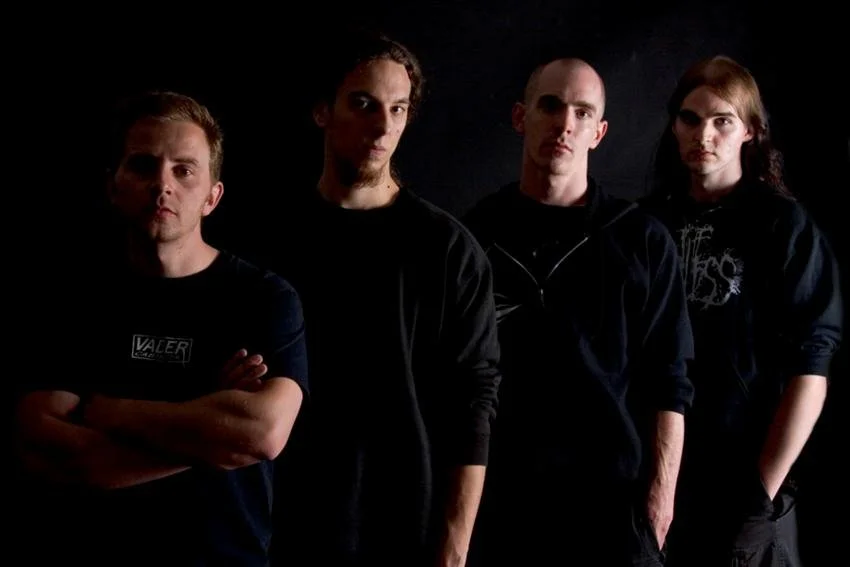
(L-R) Muhammed Suiçmez, Romain Goulon, Stephan Fimmers, Sami Raatikainen
Death metal’s sound has truly grown and evolved since the formation of the genre in the 80’s. Taken from the early roots of thrash metal, adding deep growls, intense speed and graphic and dark imagery, the genre was truly forming something evil and beautiful in audio form. While some band’s took the more precise and brutal intensity with their sound, some acts slowed them down into a caveman-like slam sound (Suffocation and Internal Bleeding), or adding black metal-esque elements to their sound (Deicide and Behemoth). Even combining technical dynamics and creativity in their sound (Opeth, Cryptopsy and Nile) to show brutality in a compositional scale. Germany’s Necrophagist created an impressive and technical display of sonic proficiency with their take on technical death metal that would be so influential that the genre would truly flourish and grow from the impact the band left on the genre. Though not a very long discography and only being a band for a short amount of time, their two albums would not only inspire and influence fellow musicians and bands, it would be releases that would become legendary albums in the genre.
Necrophagist was founded by the band’s vocalist and guitarist Muhammed Suiçmez in 1992. Through his love of death metal, Suiçmez wanted to make his own version of death metal that not only was heavy and technical, but also incorporated his love of Baroque-era music. He would recruit Jochen Bittmann on bass and Raphael Kempermann on drums to form the early incarnation of the band. In October 1992, the band would release the demo Requiems of Festered Gore. Though the demo had a more straightforward death metal/grindcore sound (see “Parasitic Devourment of Hepatic Tissue” and “Cannabalistic Necrophilism”), the album still showed that the band had potential in not only it’s speed, but sheer heaviness and aggressiveness in their sound.
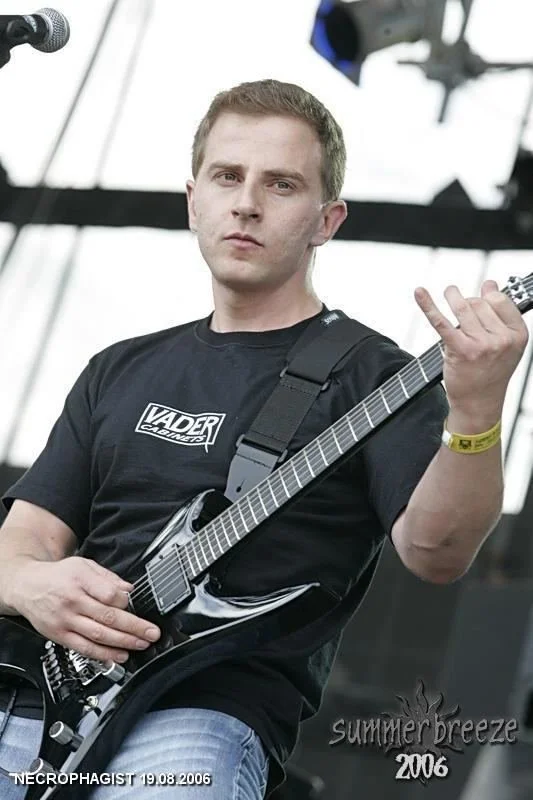
Muhammed Suiçmez
Since the release of the Requiems demo, the band would grow in not only name-recognition, but also in members. Jan-Paul Herm & Matthias Holzapfel would join the band as guitarist. Along with Suiçmez, the band was now a triple-guitar hydra that now just got heavier and more aggressive in sound. Three years later, the band would release their self-titled demo in 1996. With a better sound production wise, the precision and speed of the band’s playing was truly showcased on the demo. “Dismembered Self-Immolation” delivered a sheer onslaught of thrash heaviness and brutality in the vocals and rapid-fire drumming. Flurries of technical precision in the guitar playing began to shine on songs like “Foul Body Autopsy” and “Pseudopathological Vivisection”. Though the band would gain the attention of a label, the band itself faced a constant rotating list of members through this time and throughout the band’s lifespan. Whether it was the sheer technical toll both writing and performing this music or from working with the very musically driven Suiçmez. Suiçmez’ longtime-collaborator Christian Münzner, who would go on to play with such tech-death acts like Obscura and Defeated Sanity, described working with Suiçmez in an interview with the Youtube channel Sixstringtv:
"There's no half-speed recording. We played the stuff in shorter segments, the riffs, obviously. But we did many, many takes very often until it really had the accuracy. Even if you can play it so that it sounds good live, you just need a certain accuracy on the record where you can get really everything, and we probably did it a bit more extreme than what was normal at the time."
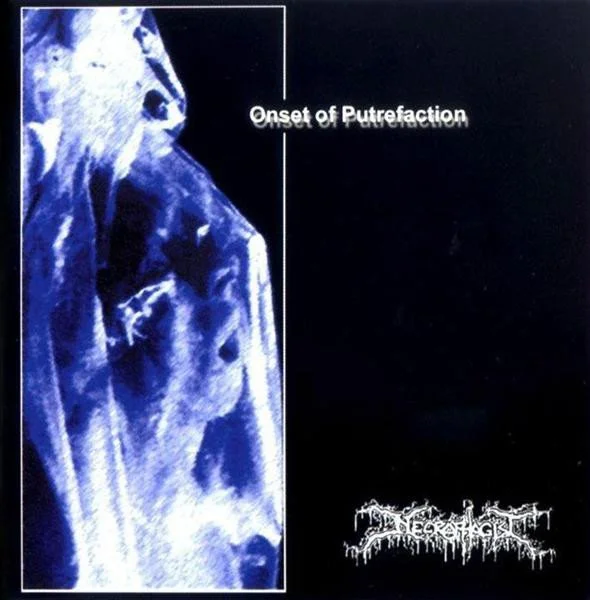
The album’s original cover, with the band’s original logo
Necrophagist released their debut album Onset To Putrefaction in 1999 on Noise Solution Records. Recorded solely by Suiçmez, he would use a drum machine from the drum and bass sections of the album. The album did feature re-recordings and better mixes of songs featured on the previous demos, but the album truly showcases Suiçmez’ complex musical arrangements and technical tenacity in his guitar playing. “To Breathe in A Casket” continued a barrage of blast beat drumming, intense and driving thrash metal guitars and Suiçmez deep growls. Guitars became the main focus throughout the album. Songs like “Mutilate The Stillborn” and “Culinary Hyperversity” truly shined a light on the musical talent Suiçmez had on the guitar. Though the album’s drum machine sound does hurt the overall sound or mismatch in quality, the album would be re-released on Willowtip Records. The label would work on completely remastering the record with new resampled drum machine sections were recorded and programmed by Hannes Grossmann.
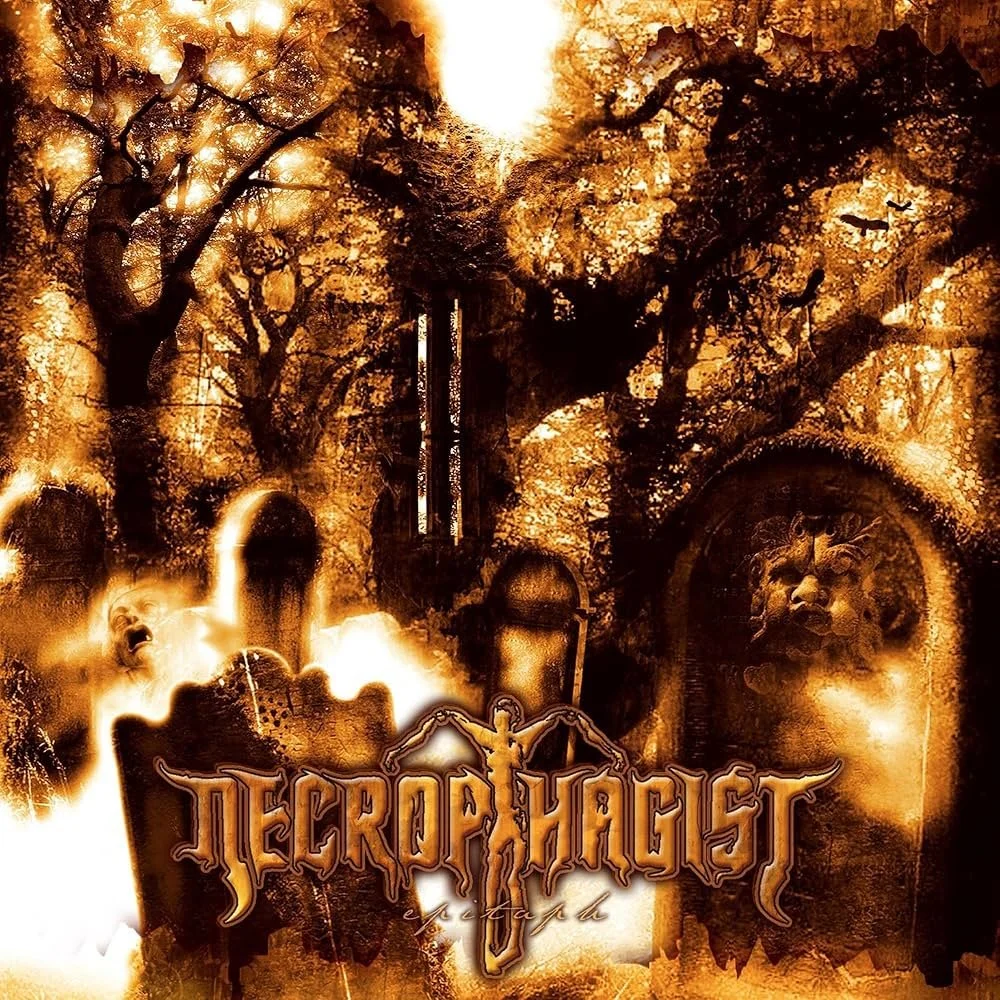
The band’s second and final album was released five years later with Epitaph. With the band now on Relapse Records, the album showed a dramatic improvement in production and sound quality compared to the debut. Suiçmez was excited to push the band’s sound even further from Onset To Putrefaction. The album featured a full lineup on Epitaph. Münzner would appear on guitar, Stephan Fimmers on bass and Hannes Grossmann on drums. Hailed as a masterpiece in not just technical death metal, but death metal itself, the album gained the band huge recognition in the metal community and some critics citing it as a true titan of the genre and a classic that would stand the test of the time of the genre. Album opener “Stabwound” delivers such sniper-like precision in speed and technical proficiency from every member of the band. Tracks like “Ignominious & Pale” continue the sheer barrage of blasting drums and high-octane death metal. And songs like “Only Ash Remains” are just a sheer whirlwind of audio bliss and technical wizardry throughout their runtimes.
The band would tour to support the record, touring with many death metal staples like Cannibal Corpse, Carcass and Dying Fetus, while also future titans of the deathgrind genre like Cattle Decapitation & Cephalic Carnage. Though the band spread it’s name and soaring album sales through touring, the curse of the rotating lineup would continue to hurt the band’s consistent lineup that they just achieved with Epitaph.
In 2008, Suiçmez would begin work on the band’s anticipated third album with the band’s new drummer Romain Goulon. With a focus on using seven-string guitars, along with working new Ibanez endorsed guitars, the album’s status would suddenly go from excitement to a sheer dirge as no new music or info about the album grew dormant. With moments of brief reignition that would pop-up through the years. Like in 2012, former drummer Marco Minnemann stated that there was progress in a third album:
"I know people are waiting for the new Necro album so bad. Muhammed is a very close friend of mine and I know he's really concerned about delivering the best album possible. But I personally know there's progress....hang on in there, I'm sure he'll deliver the goods."
Or in 2013 when Goulon issued a new statement that the band was still active and that they were working on a new album. Giving the fans the proverbial “we’re working on it but can’t provide a release date” answer that unfortunately wasn’t building confidence that the album would be coming out soon. Patient fans were met with the news they didn’t want to hear in 2016, nearly twelve years after the release of Epitaph. Goulon confirmed on a Facebook post that the band was truly dead. Stating in the post:
“we're looking for a coffin to mourn the death”
It isn’t truly clear what led to the end of the band as of 2025. Those reasons are been kept very close to Suiçmez chest since the band broke up. Since the band’s end, the impact and legacy of the band has grown through many generations of metalheads. Helping draw the band the top-tier level impact in the genre. Gaining the respect and admiration legendary acts like Death would receive with the band’s talent, brutality, and sheer technical precision. Inspiring a new wave of technical death metal acts like Beyond Creation, Allegaeon, The Faceless and Archspire to not only inspire their own creative take on the death metal genre, while also paying homage to the inspiration and influence that Necrophagist did in the band’s short album run. Necrophagist truly were game-changers in the death metal scene and will be an act that will live on as more time passes and will continue to become a band that truly left their mark on the death metal genre as well as inspiring future generations of death metal.