Sigh “Goh-Ka”
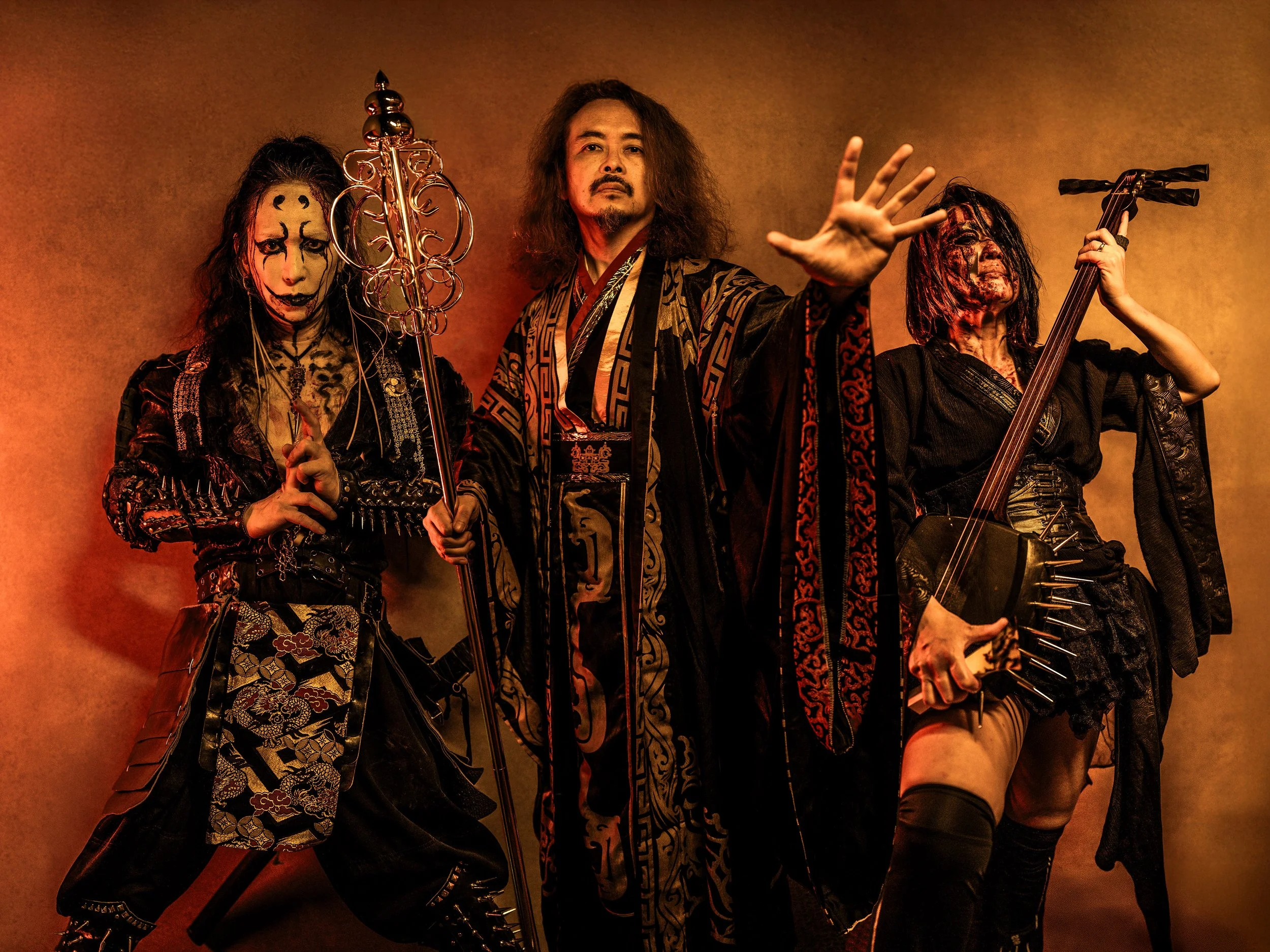
At a time when Scandinavia was setting the “blueprint” for what would become the second wave of black metal, another act in the land of the rising sun was taking inspiration from that scene & would create a complex, artistic, beautiful yet aggressive sound that would make them stand out from their peers. That was Japan’s Sigh. Formed in 1989, the band grew attention from the black metal scene, specifically Euronymous of Mayhem with their 1993 debut album Scorn Defeat. The album would be released on Euronymous’ Deathlike Silence label. Though the only album that bared similarities to it’s Scandinavian peers, the band would begin to evolve and stray away from the traits of the black metal scene with their third album Hail Horror Hail. Truly delving into the experimental & avant-garde sound the band would begin to become known for following that release. Perfecting this dynamic and entrancing sound with albums like Gallows Gallery, Hangman’s Hymn and Graveward. Giving the band a critical darling and pushing the boundaries of extreme metal.
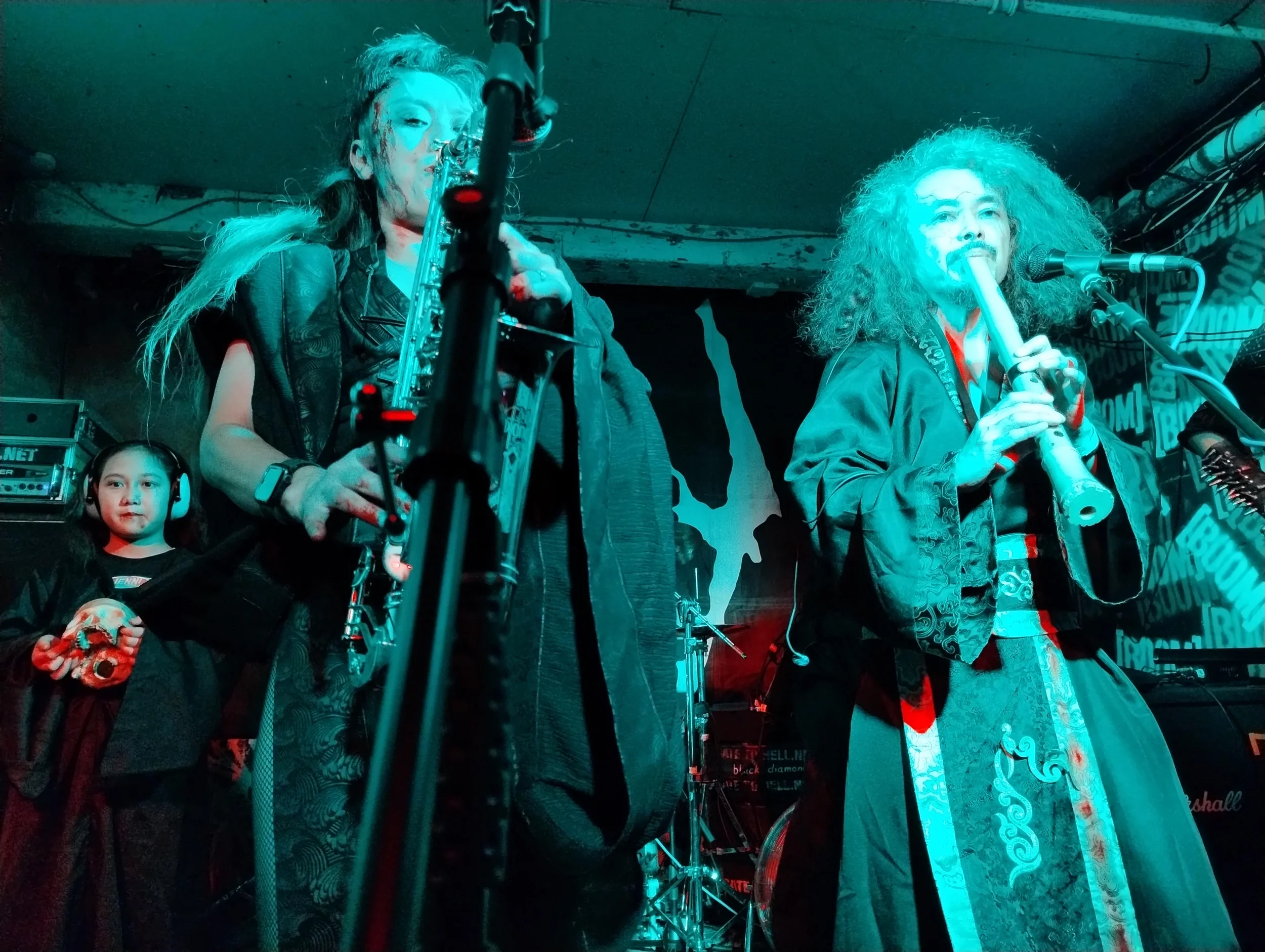
Now, over thirty years later, the band returns with their thirteenth album Goh-Ka. An album that takes inspiration from Kuso-zu, a series of Buddhist art depicting the nine stages of the human body’s decomposition after death and the core themes of the body’s detachment from physical beauty and worldly attachment. An almost dark construct that no matter how beautiful you are, you will be dead and rotten in the end. Which is a theme that sounds right in the band’s wheelhouse and a theme that only Sigh can truly capture sonically.
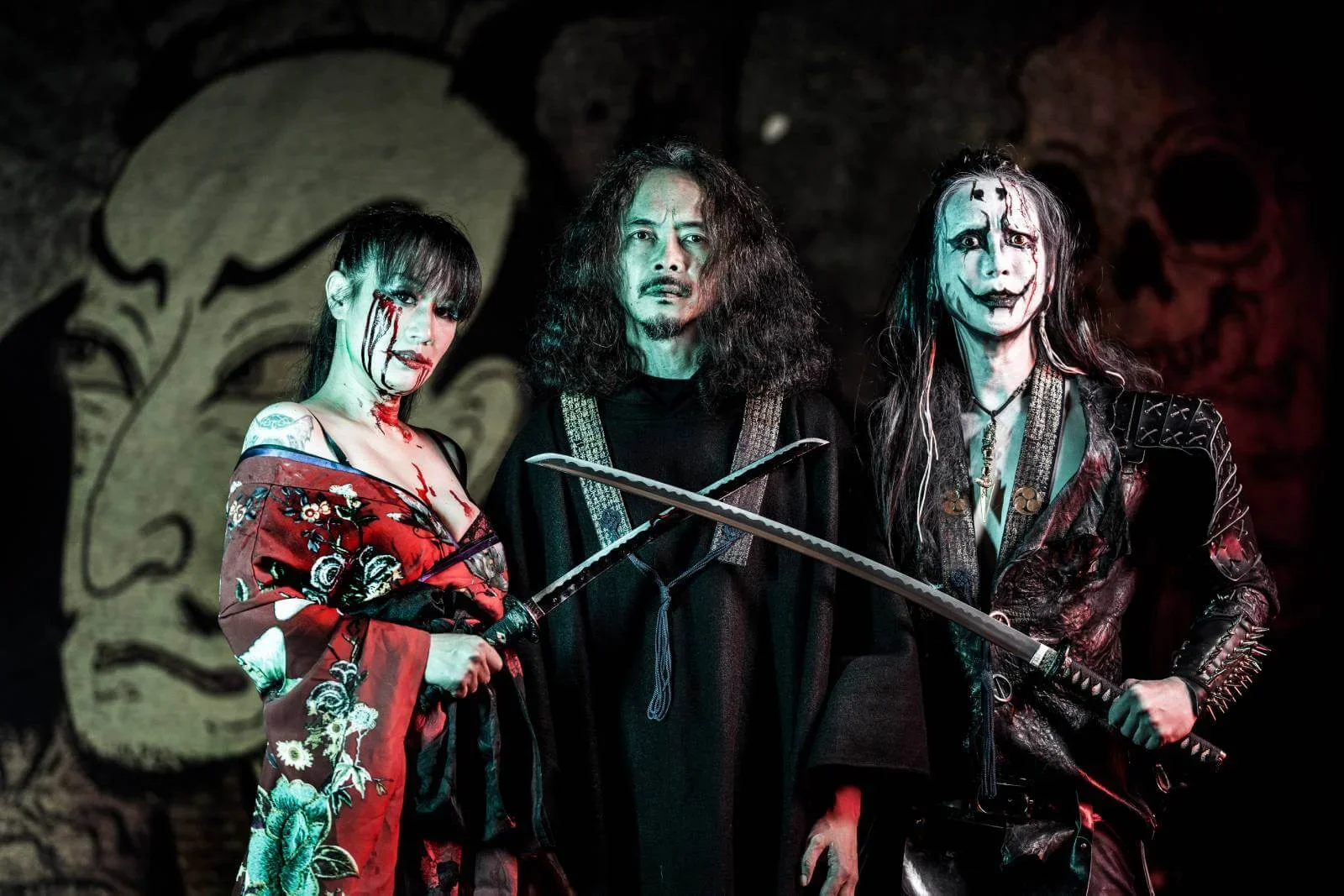
“Kuso-shi 1, 2 and 3” opens the album with unique synth work that rises from a depths of the 1980’s. I like the ascending grandeur of the guitars, rising up as the drums begin intensifying and the synths adding more heft into the Japanese folk instrumentation. Mirai Kawashima’s vocals have such a disgusting snarl and anguish in some of his performance that coincides with the bombastic drumming behind it. And the vocal harmonies of Kawashima & Dr. Mikannibal add an unsettling harmony of grit and beauty in the vocals. With progressive synth-like melody, sheer blistering drum fills and folk instruments, the grandiosity is just unmatched in the sheer scale of Sigh’s sound. At over nine minutes, it truly sets the bar high for the rest of the album.
Nozomu Wakai kicks off “Jigoku-Zoshi 1: Unkamusho” with an earworm-esque guitar riff before blast beats and blackened, frog-like vocals from Kawashima come in like a roaring blaze. With thrash intensity in the drums (and especially on Wakai‘s guitar playing) it is unmitigated speed and ferocity for a solid four minutes. Percussion near the end brings us back to the progressive/heavy elements of the band’s sound. Before ending by hitting the throttle for the final dash to the finish line.
“Anzenshokon” opens with a very folk-heavy, old-worldly vibe. Bringing a sound akin to the stories of our elders. Infused with vocal effects, it segues into a heavier and ominous guitar strum that teases the listener wanting more before switching back to the ambient/folk intro of the opening. A more somber and reflective approach, the vibe of the music to me matches the concept of the album. With the folk elements, you get a feeling of transcendence as your soul would be leaving your body to pass to the other side. All while the heavier elements gives off the feeling of the soul not wanting to leave the body. An internal struggle accepting your fate and deciding whether to leave this mortal coil. Forming a truly musical/cinematic presentation that captures the theme of the record.
“Kuso-shi 4, 5, and 6” brings on the melodic black metal tone in the guitar and atmosphere in its opening moments. Before acoustic guitar and light drumming brings the mood of the track down. Synth pads beneath it and acoustic strumming, it brings a spooky, ethereal aura that matches with Kawashima’s haunting vocals. Mike Heller truly shines on the drums to truly deliver progressive metal drum fills throughout the unraveling vocals and rising strings that ascend & descend amongst the madness of Kawashima’s vocals. The acoustic guitar solo at the halfway mark was sublime before the cymbal strikes and vocals just continue the unhinged and psychotic unraveling.
After the short interlude of “Shoso”, we get the album’s lead single “Unputenpu”. With a nice, bouncy and groovy opening riff, it creates a catchy, bob-your-head riff amongst the drumming. Kawashima delivers a stream of quick vocal delivery, before harmonies and folk instrumentation continues the same “vibe” of the song. The guitar solo by Mikael Åkerfeldt of Opeth was a nice touch and he delivers a solid solo, with the drums building beneath his performance. This definitely has “lead single” vibe to it, since it doesn’t sound as chaotic and avant-garde as what has been heard so far, but it is a nice addition to the album and the closing two minutes does have a nice ascending conclusion to wrap the song up really nicely.
“Jinmenjushin” opening truly gives off a sinister and brooding vibe in its opening moments. With the chugging guitars from Wakai to the sheer intensity of the drums amping up the pace, almost double-timing the track, definitely brings a feeling of the unknown. As the pace quickens, so do the guitars with Wakai really shredding on a nice solo right at the two-minute mark. Choir-like vocal harmonies, combined with harmonizing guitars and pumping double-bass and a nice synth lead, this track is proggy as all hell and done masterfully. I do like the tease of a sludgy, almost breakdown-esque allure before we go back to double-time pacing. The saxophone performance by Mikannibal, in an almost dueling section with the synths, reminds me of a Children of Bodom song, but with Sigh’s creative touch and tweaking of the formula to create a complex hybrid of thrash, folk and progressive rock from the 70’s.
“Jigoku-Zoshi 2: Tokatsujigoku” comes out the gates running and screaming. At just over three minutes, the band uses that time to its full extent. The brass on the chorus, along with the high-octane drumming, was a solid one-two punch. Kawashima continues his snarling vocals, but matching the thrash metal intensity in timing and punchy delivery. And Wakai gets to shine again on a nice solo before the closing moments of the song.
I adored the folk, acoustic opening of “Kushukankyo”. With such ferocity throughout the record this far, it was a nice breath of fresh air to rest my neck from headbanging so far. Beautifully orchestrated and gives a calming, ease of mind emotion. Even with light electric guitars that are almost in the distance of the track, it was a nice instrumental interlude. Going from calm to eerie is “Kuso-shi 7”. Delving into the experimental, it reminds me of experimental music like Maldoror, the project Mike Patton and Merzbow did. Creating an anxiety feeling of the unknown amongst a sea of weird noises, ambience, distortion and dread all in under two minutes.
The album closes with “Kuso-shi 8 and 9 / Mettaijakujo”. At over eleven minutes, buckle up cause this is gonna be a long one. With opening synths straight off a Blood Incantation album, the progressive metal riffing of Wakai is encapsulated and emphasized with soaring clean vocals and building drums. The song is all over the place, but in a good way. We get slow builds with acoustic/folk instruments, then blasting drums and shrieking like vocals. Juggling between melodic black metal, experimental prog, and orchestral sections near the conclusion of the song, Sigh truly laid the record to rest beautifully and encapsulates the concept and rhetoric the band was going for with Goh-Ka.
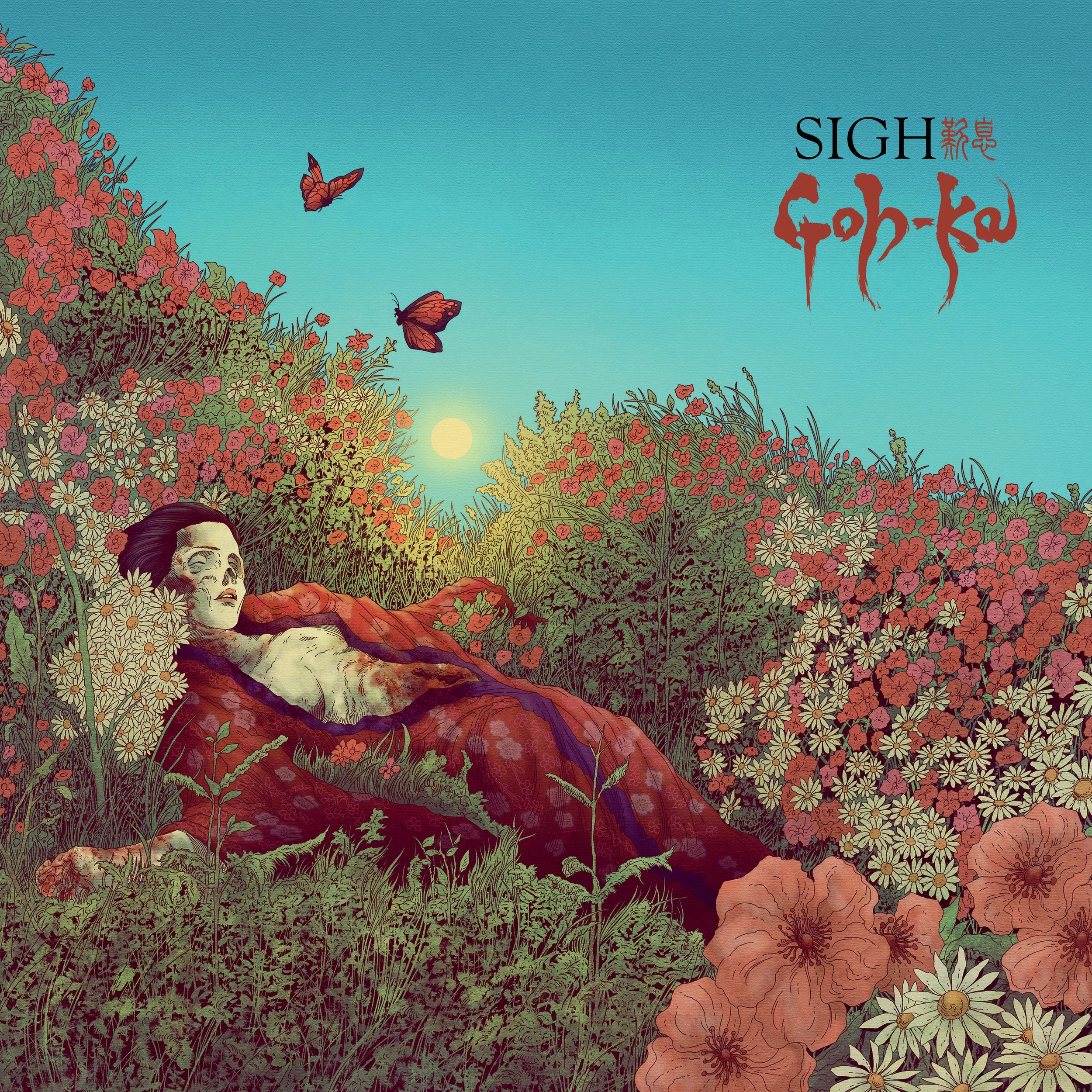
Goh-Ka is a solid record and shows Sigh’s constant evolution in their sound to match the concept of the theme of the record they are writing. As the sheer grander scale of some of their songs musically did improve and were stepping up from previous records, I do think many of them were definitely on the verge of being too long, potentially teetering on “bloated”. I still enjoyed the record and if you are a Sigh fan, you will dig the record. I do think potentially the record could grown on me and the “too long/bloat” argument could go away on a couple more spins, but Sigh delivered a beautiful eulogy that truly captures a morbid composition about the beauty of decomposition.
SCORE: 4 / 5
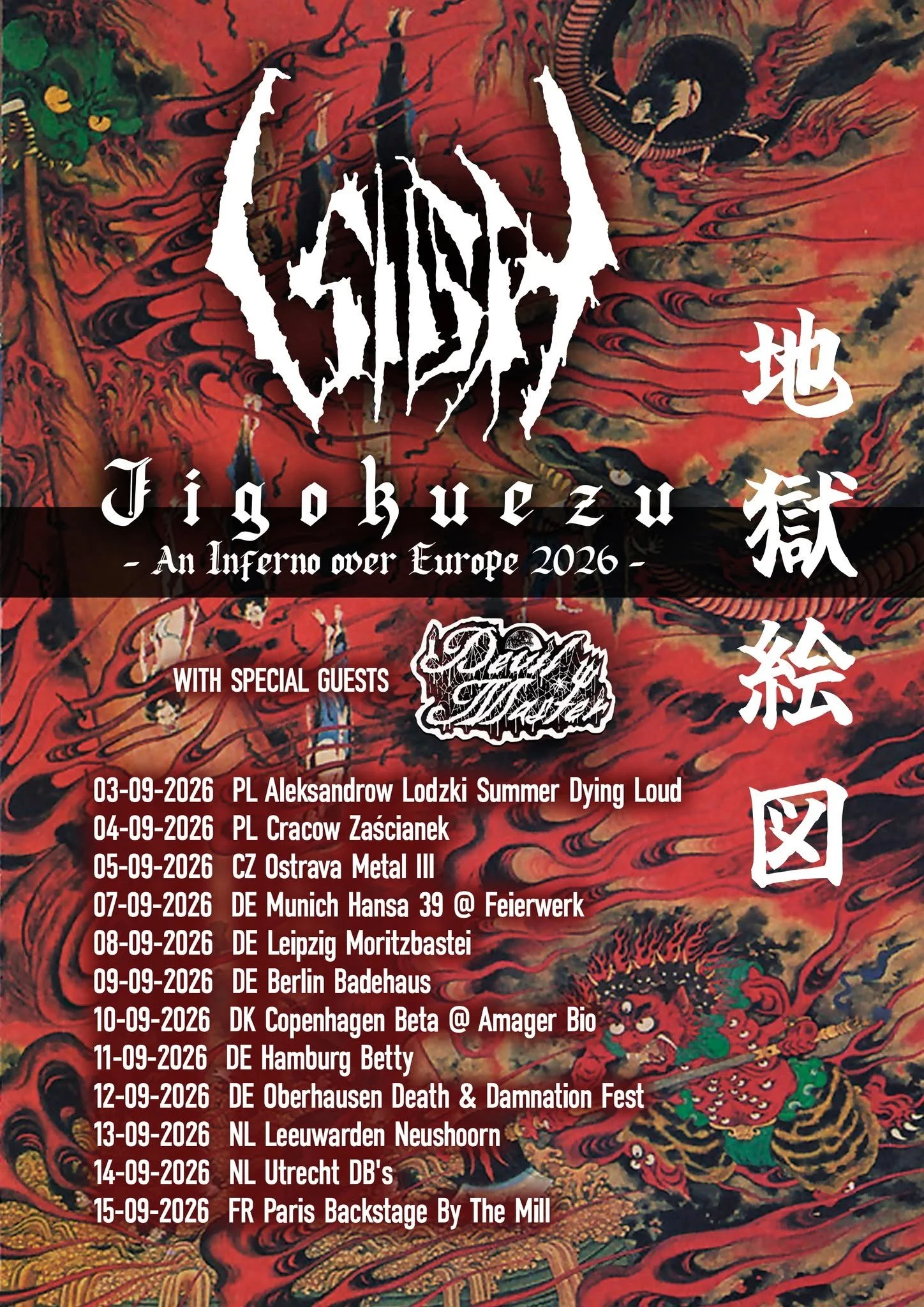
You can purchase Goh-Ka at the Peaceville Records’ Bandcamp & Webstore or stream it on Sigh’s Spotify on September 4th. The band is about to embark on a European tour with support from Devil Master.